01
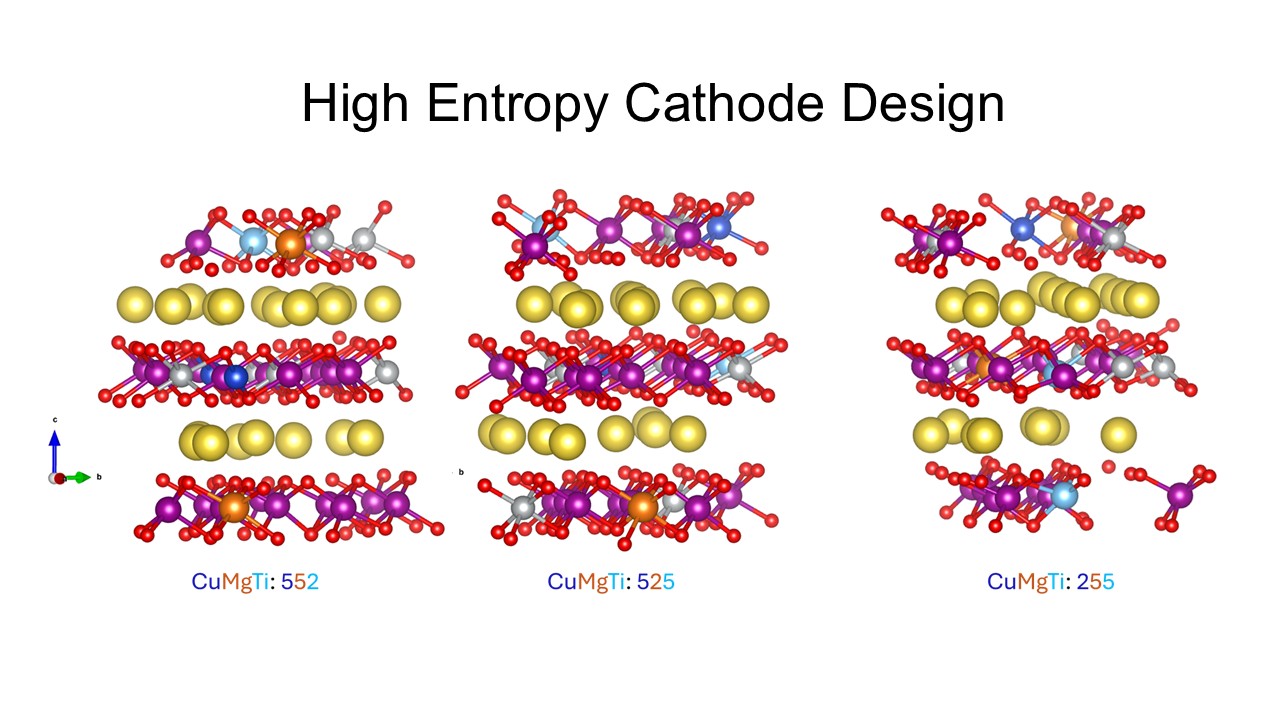
Layered Oxide Cathodes
Designing stable and high-performance Li- and Na-ion layered oxide cathodes.
Advanced Modelling and Research in Energy and Electrochemical Navigation
We develop and understand materials for sustainable energy storage by combining first-principles calculations, atomistic simulations, molecular dynamics and machine-learning approaches.
The AMREEN Group (Advanced Modelling and Research in Energy and Electrochemical Navigation) at the Research Institute for Sustainable Energy (RISE), TCG CREST, is focused on the computational exploration and development of next-generation energy materials.
Our research addresses fundamental challenges in rechargeable batteries, including the design of high-performance cathodes and anodes, electrolyte chemistry, ion transport, electrode–electrolyte interfaces and solid-state ion conductors.
We combine Density Functional Theory (DFT), Classical and Ab Initio Molecular Dynamics, machine-learning interatomic potentials, electronic-structure analysis and atomistic modelling to connect microscopic structure and chemistry with macroscopic electrochemical behaviour.
An important component of our research is collaboration with experimental groups, allowing computational predictions to be tested and translated into materials with improved electrochemical performance.
Our research spans electrode materials, electrolytes, interfaces and computational methodologies for energy storage.
Designing stable and high-performance Li- and Na-ion layered oxide cathodes.
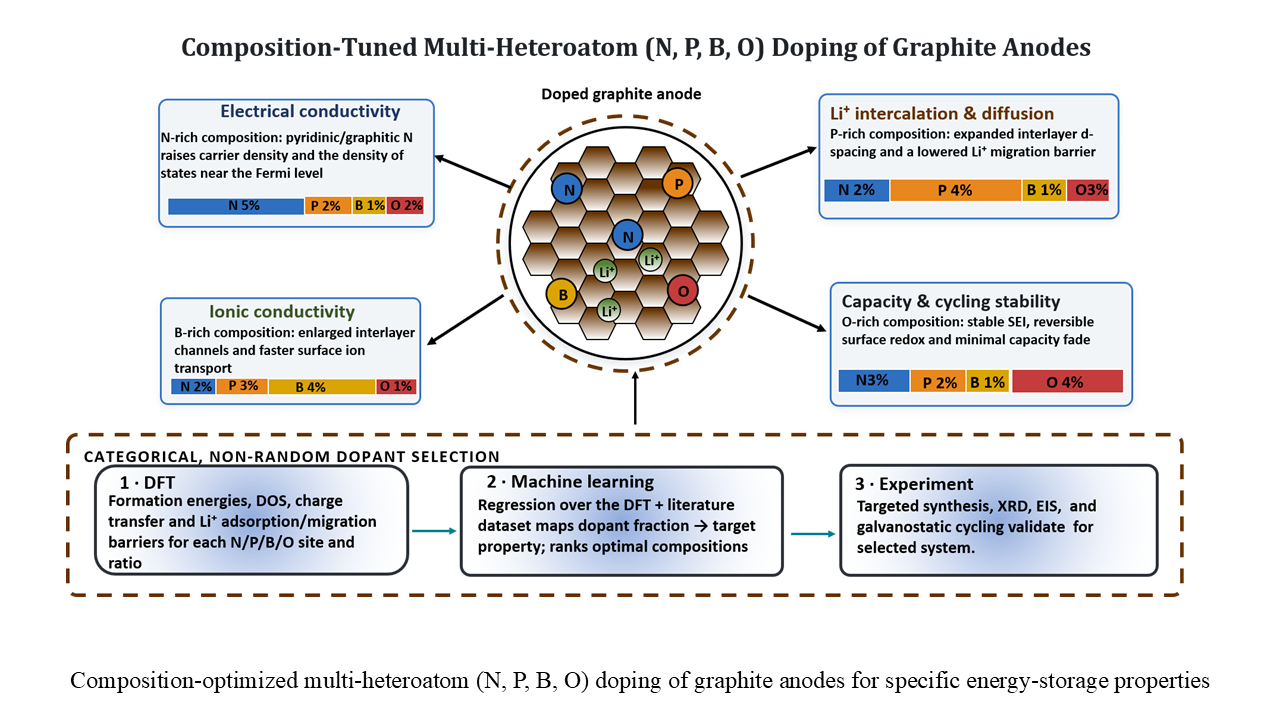
Strategic doping and analysis of graphite anodes for Li ion batteries.
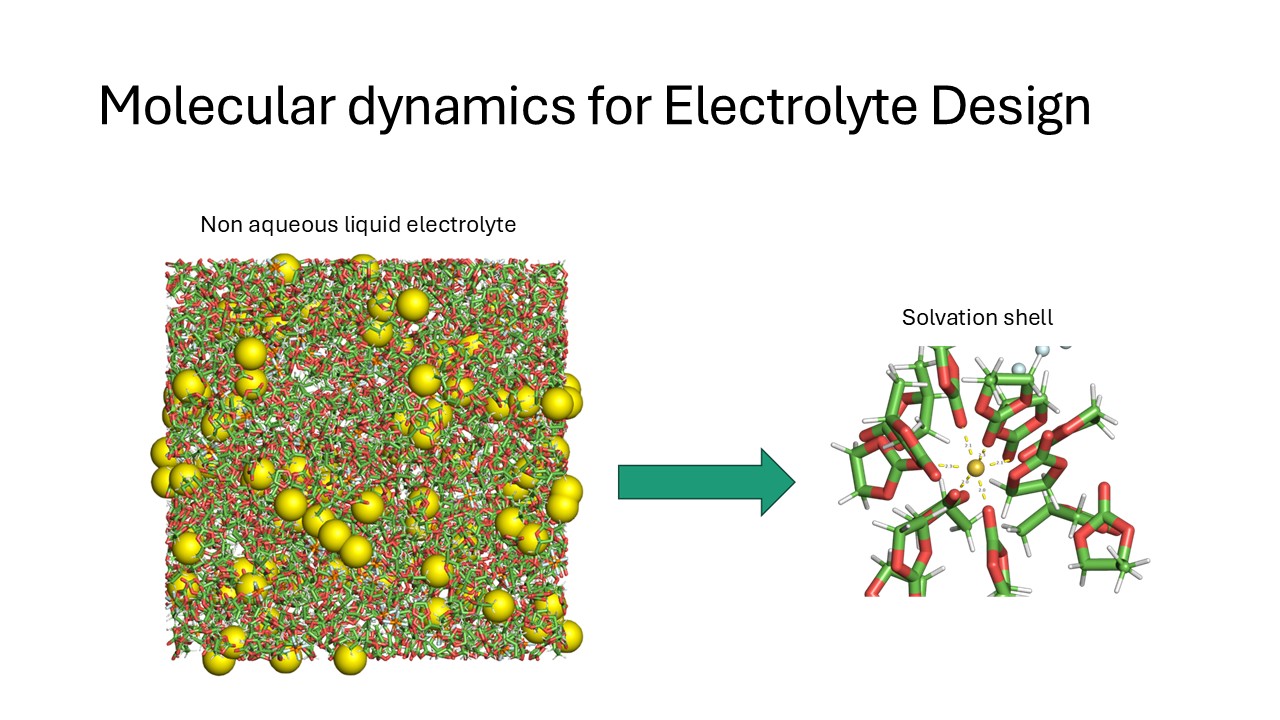
Understanding solvation, ion transport and electrolyte–electrode interactions.
We combine complementary computational techniques to understand materials across length and time scales.
DFT-based calculations of structure, energetics, electronic properties, bonding, charge and magnetism.
Classical MD and AIMD simulations to investigate ion transport, interfaces and structural evolution.
ML interatomic potentials are used to extend atomistic simulations to larger systems and longer time scales.
Computational predictions are connected with experimental synthesis, characterization and electrochemical measurements through collaborations.
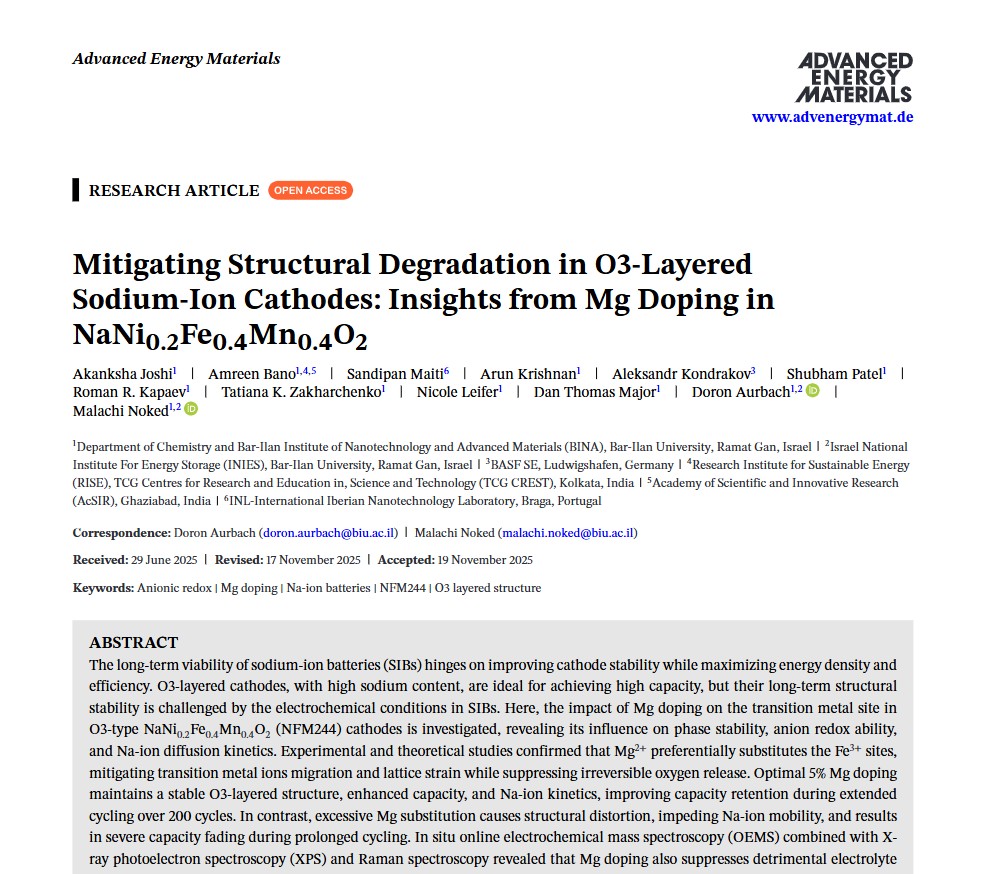
Computational and experimental investigation of Mg doping in O3-type NaNi0.2Fe0.4Mn0.4O2 to mitigate structural degradation, transition-metal migration and irreversible oxygen activity.
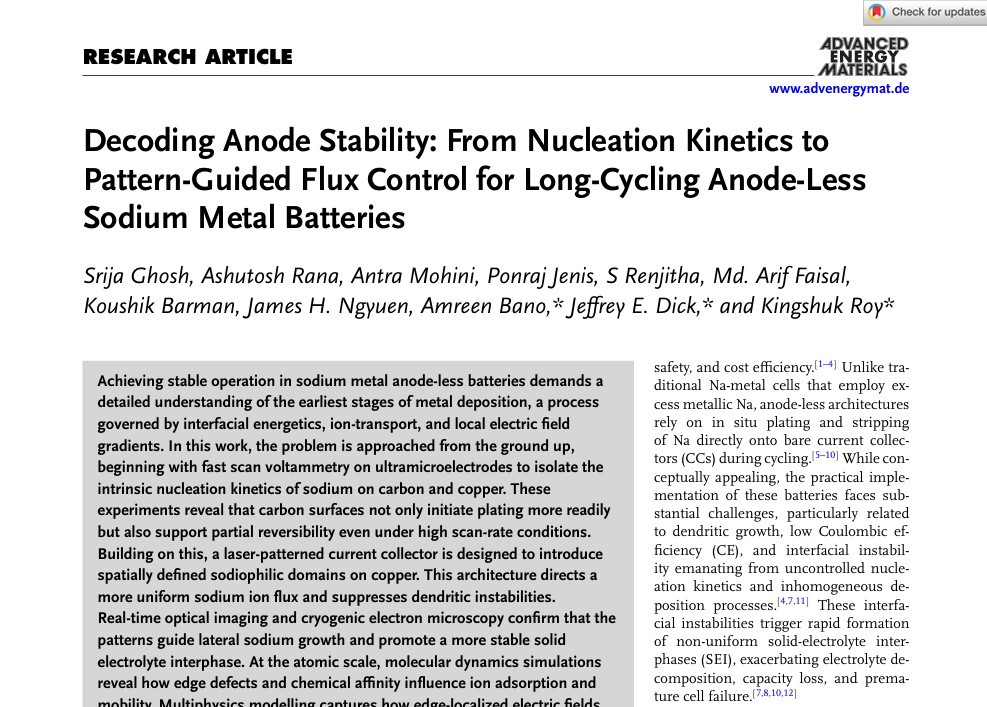
Combining experiments, AIMD and multiphysics modelling to understand nucleation, plating and pattern-guided flux control in anode-less sodium metal batteries.
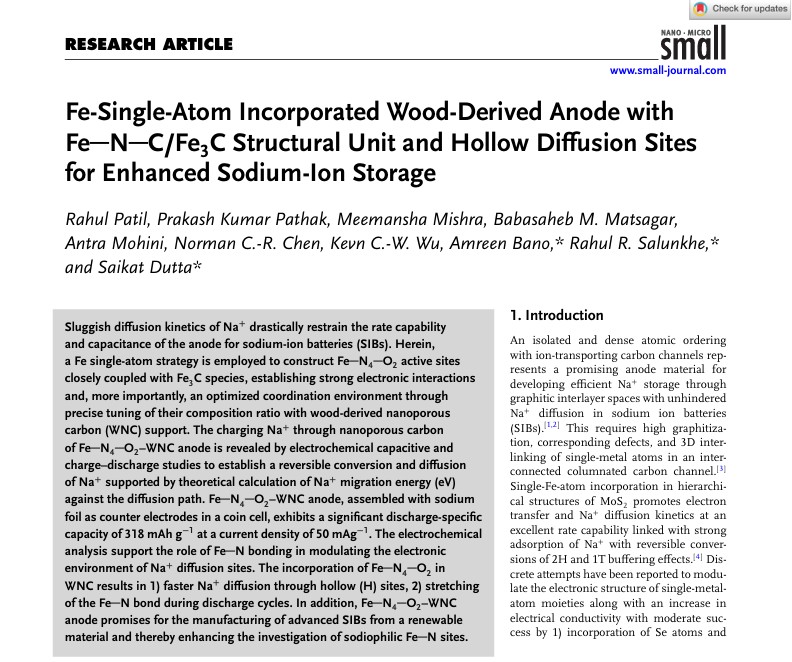
Understanding the role of Fe single-atom structural motifs and hollow diffusion sites in wood-derived carbon anodes for sodium-ion storage.
Molecular-level understanding of solvation, anion-driven interfacial chemistry and ion transport for improved battery electrolyte performance.
The AMREEN Group has been awarded funding from CSIR-HRDG to pursue high entropy cathode materials for sodium-ion battery innovation.
The AMREEN Group is delighted to announce new funding support from ARMREB-DRDO to advance solid polymer electrolyte research.
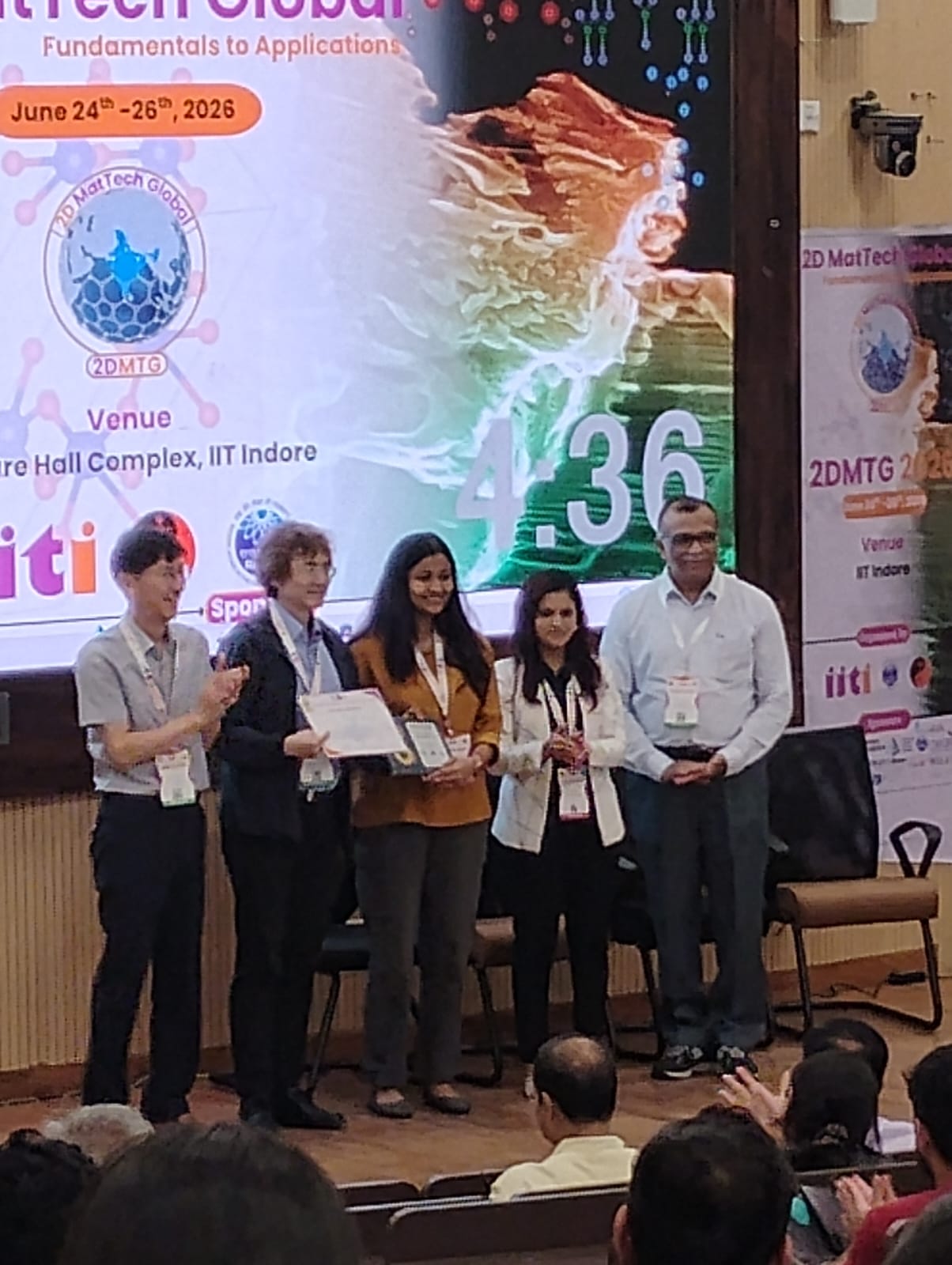
The AMREEN Group congratulates Antra for this achievement.
Soumya joined the group as a PhD student working on computational design and understanding of solid electrolytes.
Dr. Amreen Bano delivered an invited presentation on computational materials research.
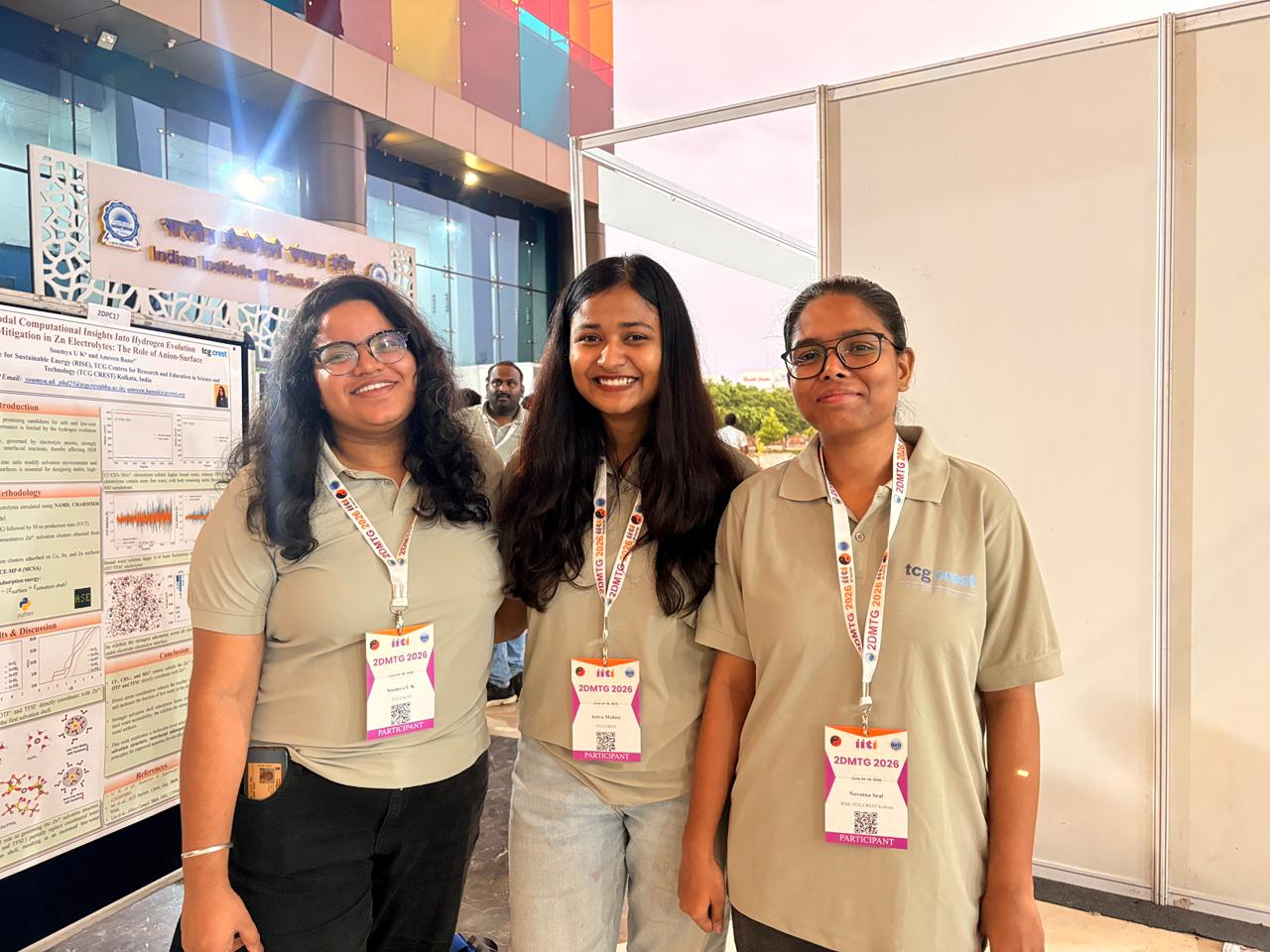
A warm welcome to Ms. Antra Mohini and Ms. Novotna Seal to the AMREEN Group.
Selected publications from the AMREEN Group and collaborative research.
Researchers working on computational materials design, energy storage and atomistic modelling.

Computational modelling of battery materials, electrolyte design, atomistic simulations and machine-learning approaches for materials discovery.

Computational design of high entropy anode materials and SEI analysis.
Email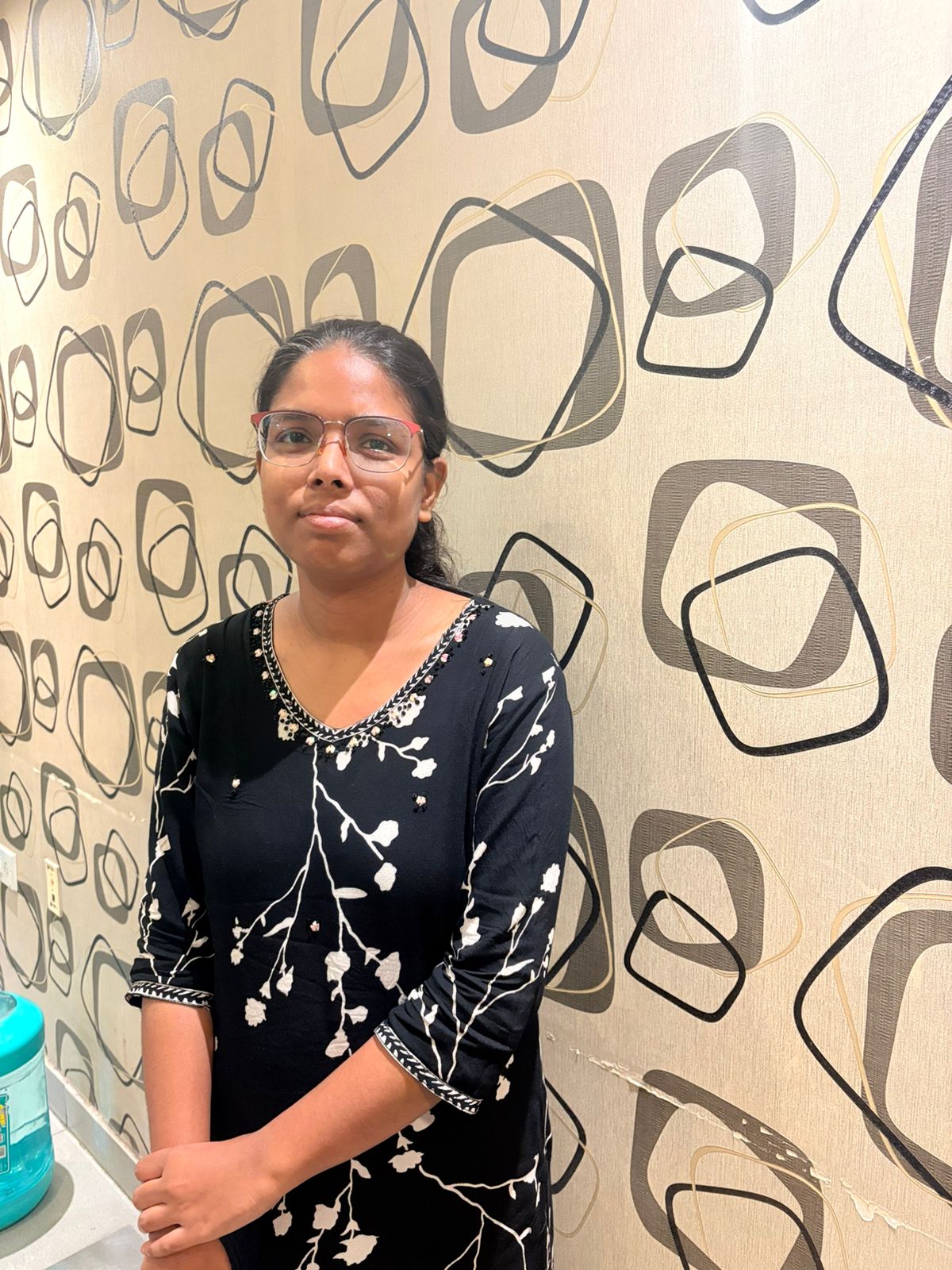
Modelling and analysis of high-entropy cathode materials for Na-ion batteries.
Email
Designing and understanding solid electrolytes for Li-ion batteries.
EmailOur research is strengthened through collaborations spanning computational materials science, electrochemistry, energy storage and materials synthesis.
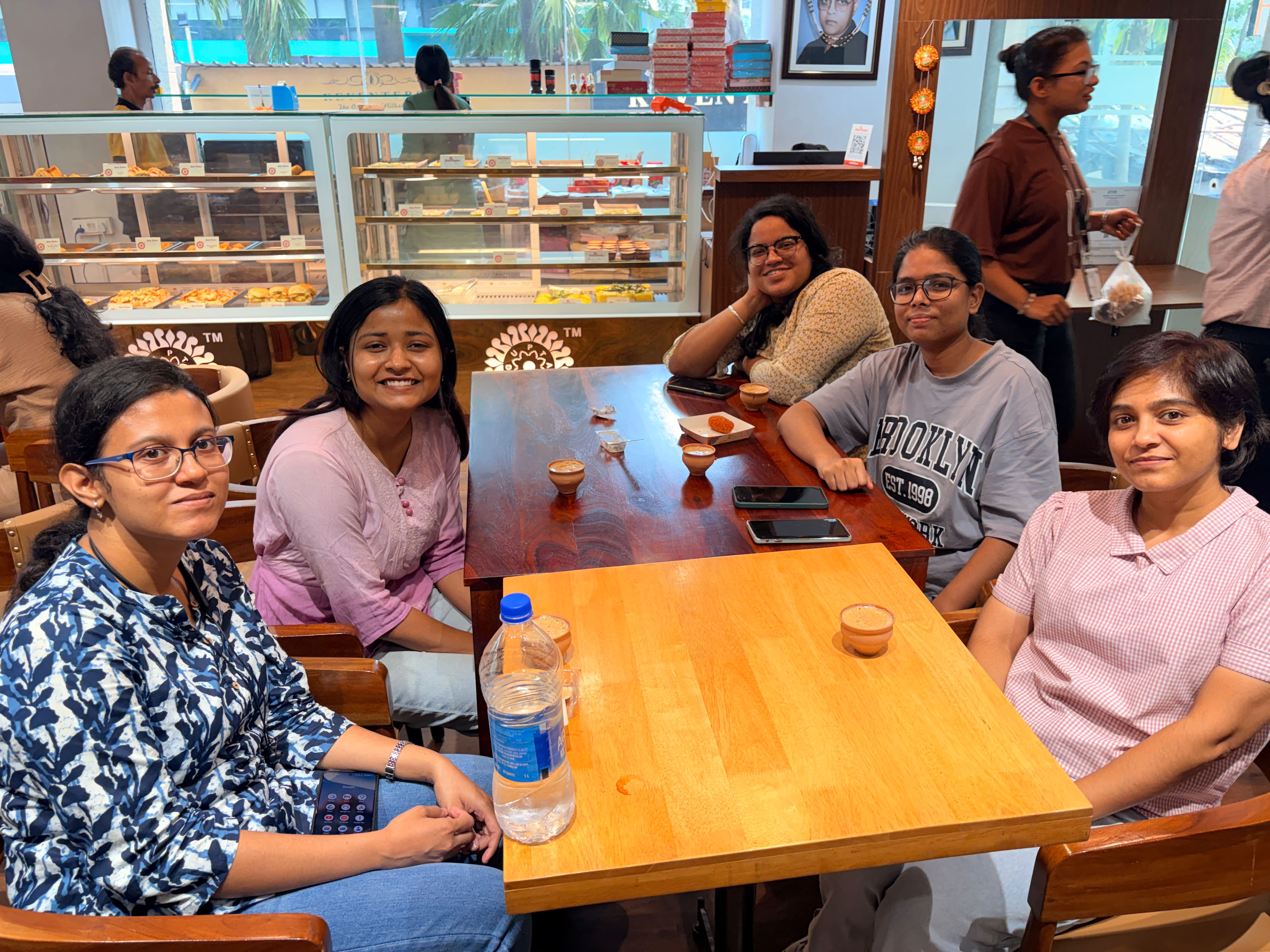
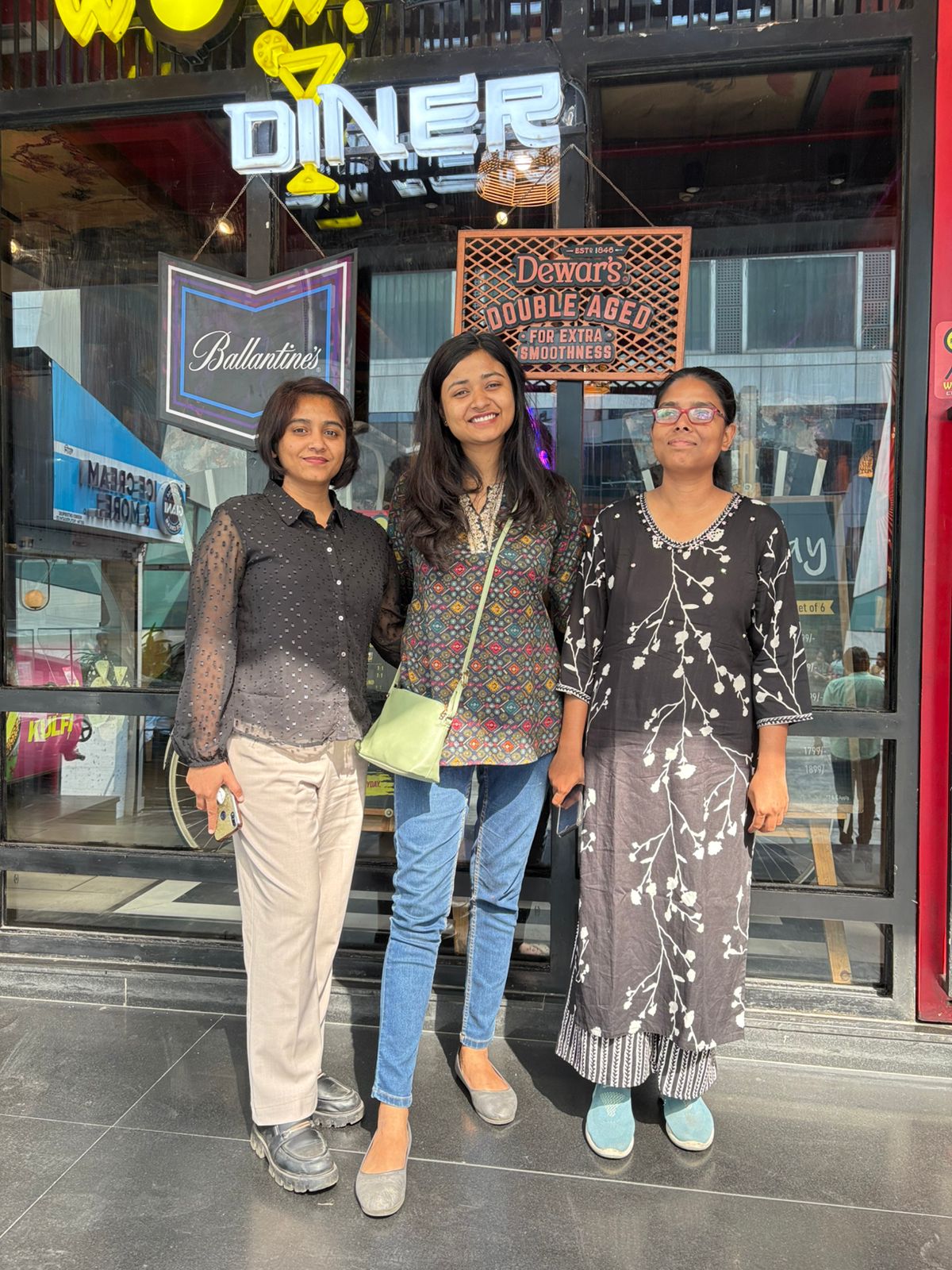
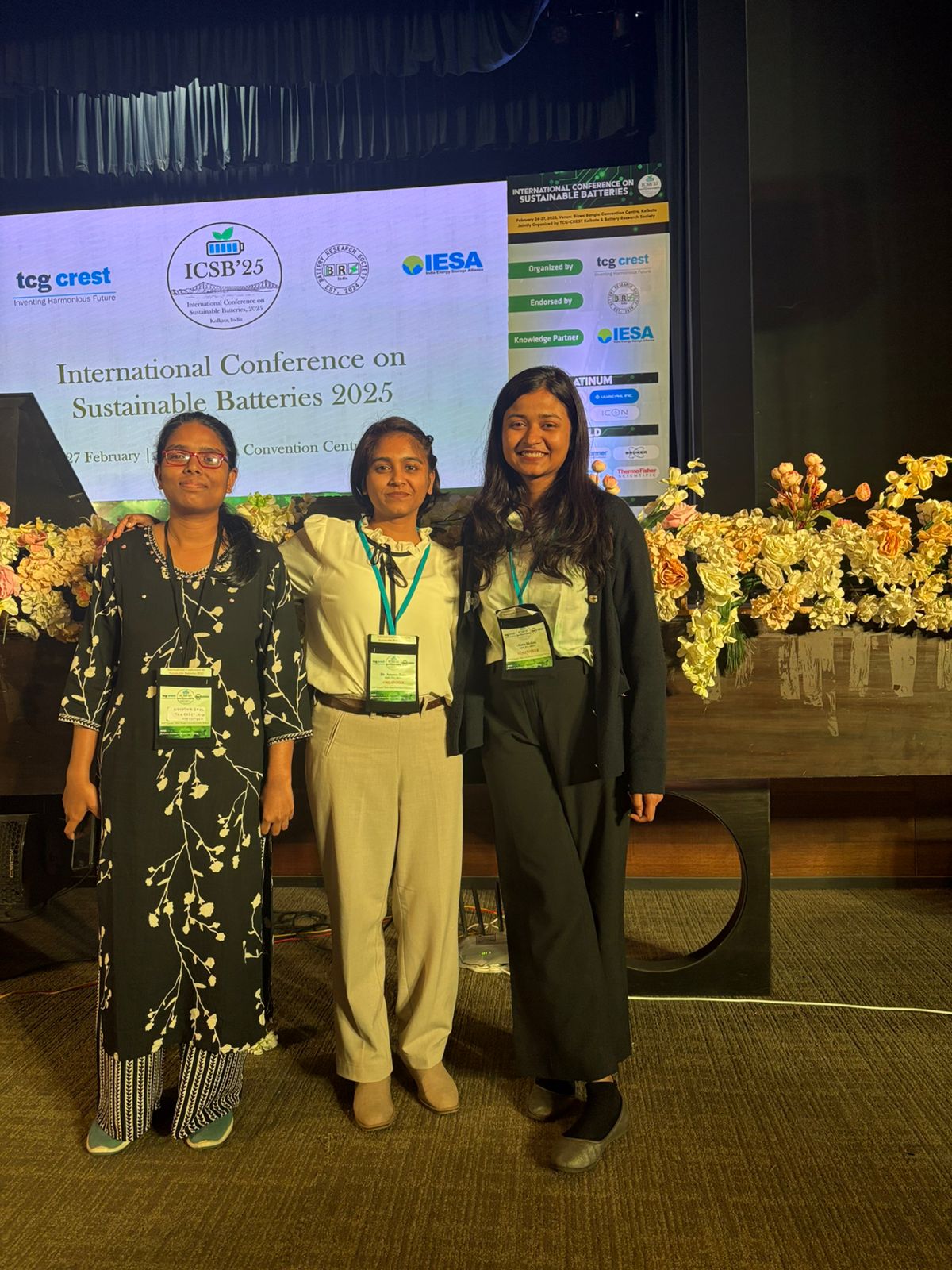
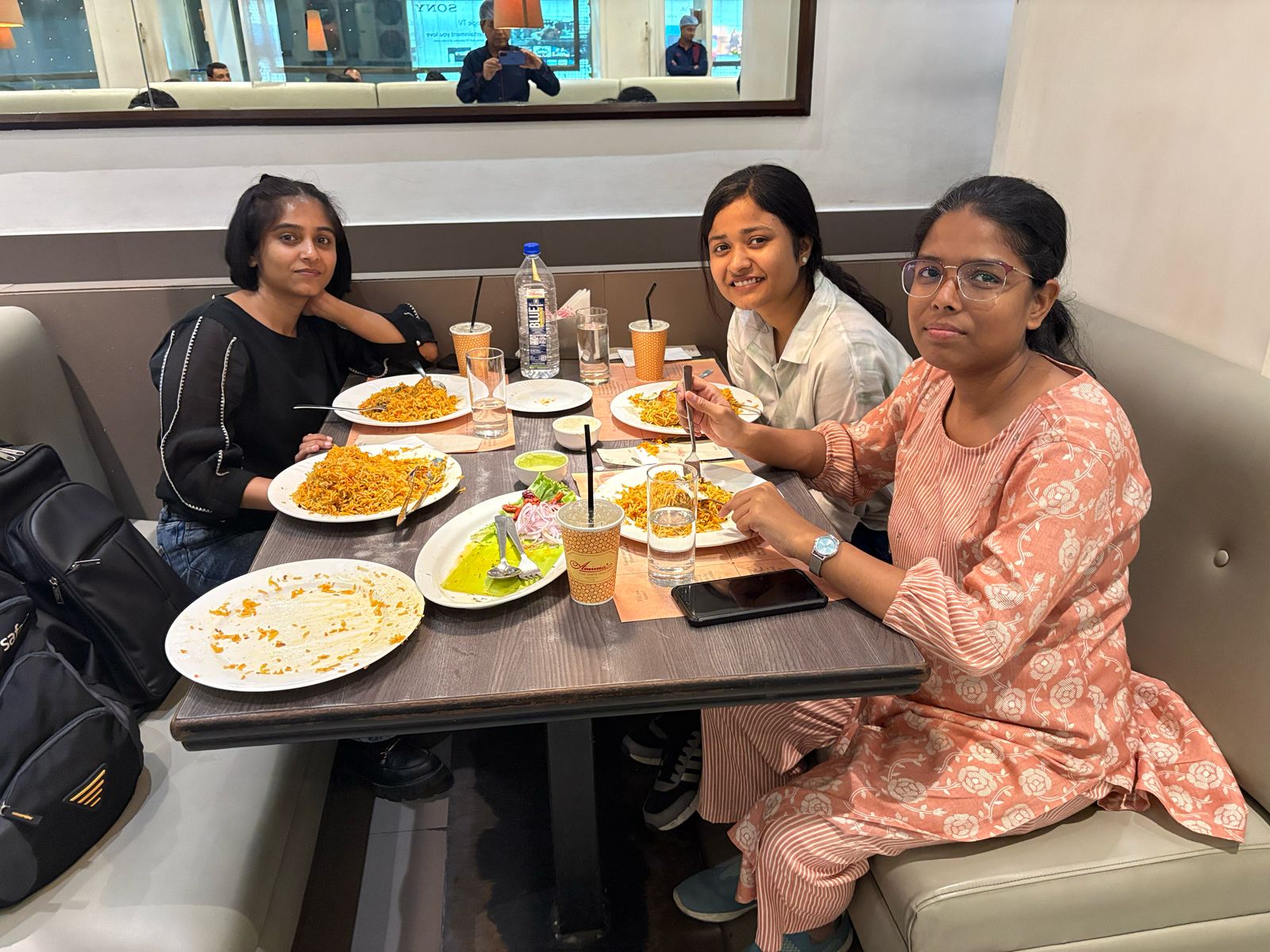
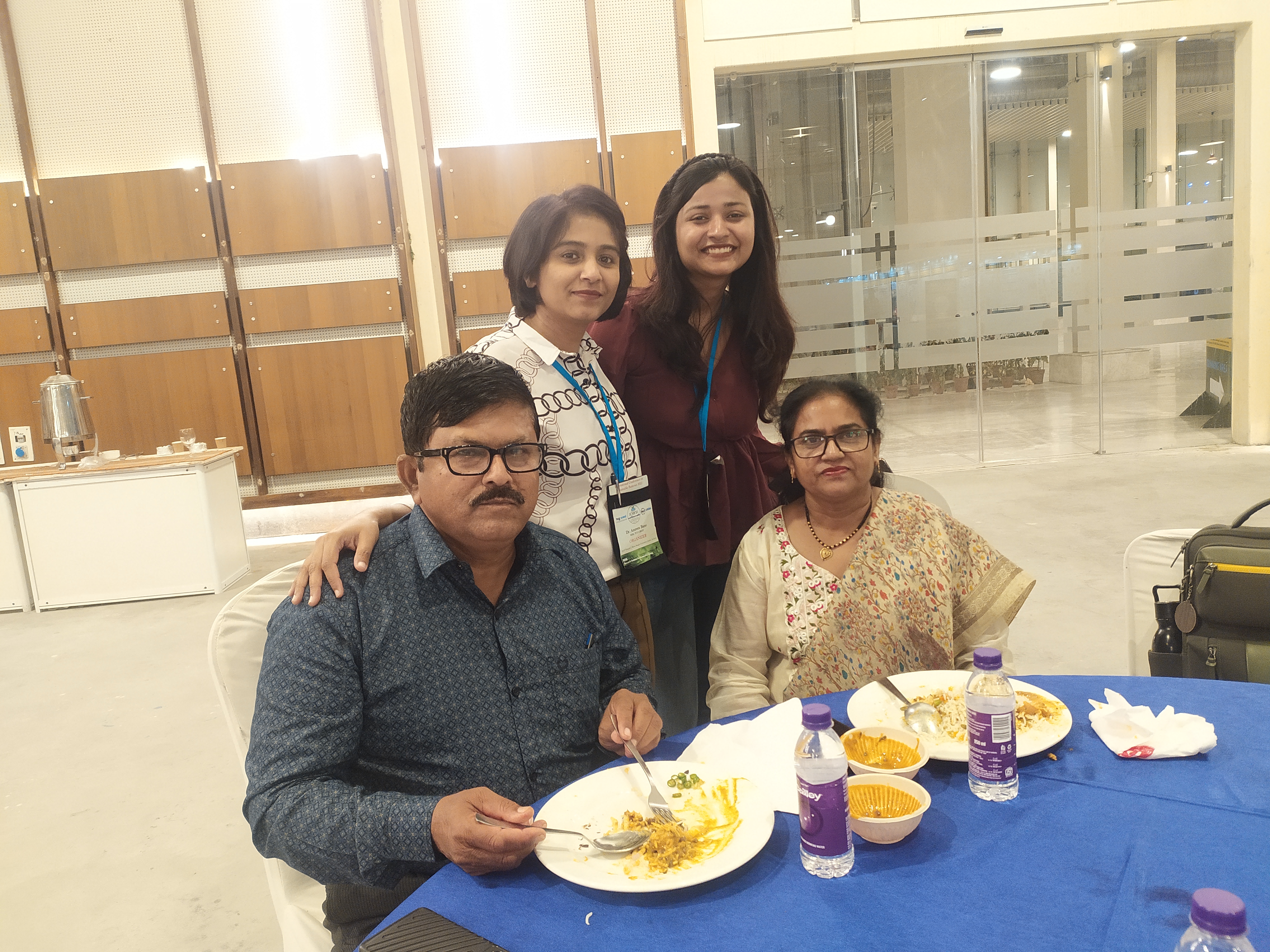
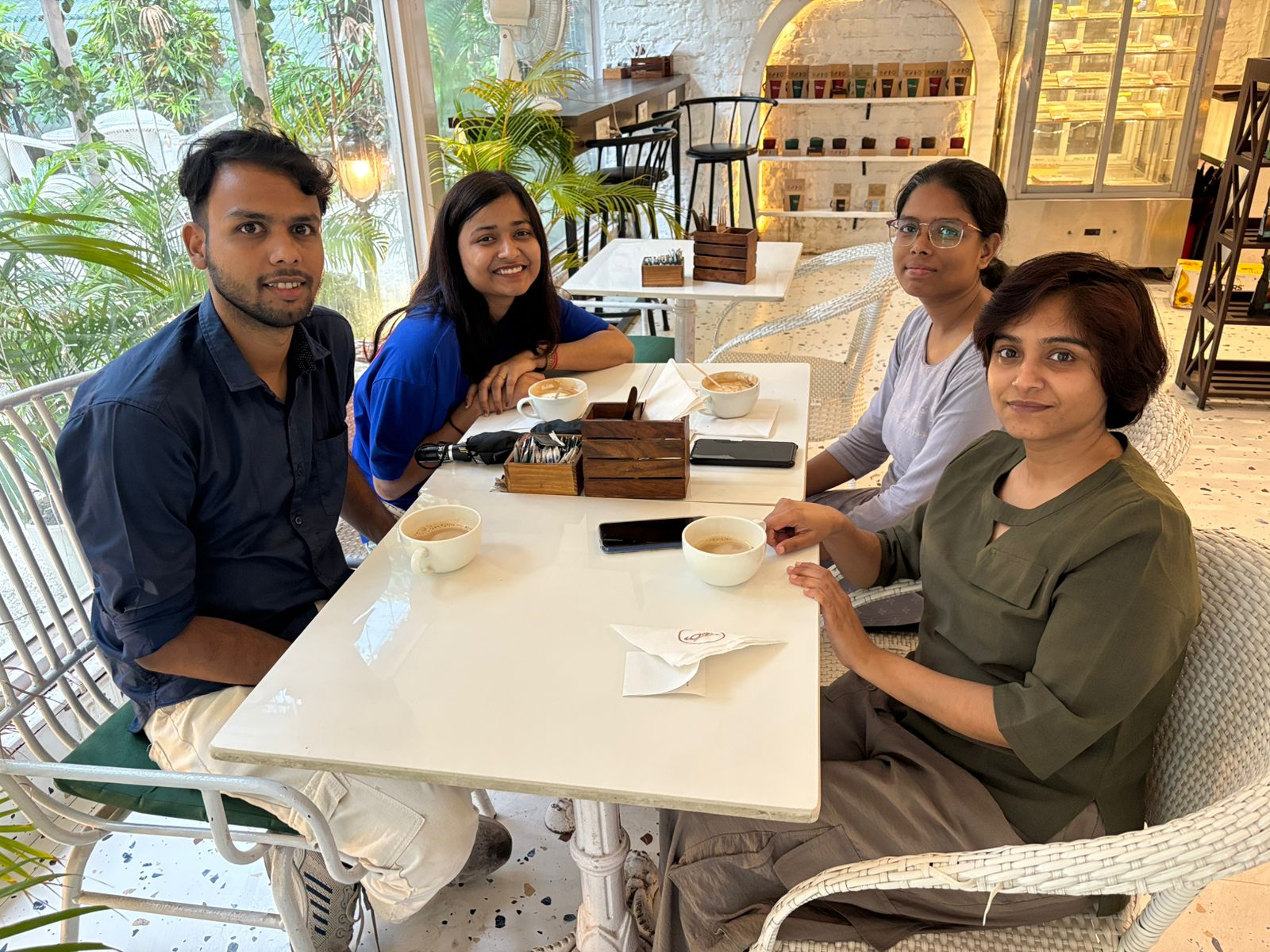
A glimpse into our group activities, achievements and scientific interactions.
We welcome motivated researchers interested in computational materials science and energy storage.
PhD admissions at TCG CREST are announced periodically. The AMREEN Group welcomes applicants interested in battery materials, computational chemistry, atomistic modelling and materials science.
Applicants should have a strong academic background in Chemistry, Materials Science, Physics or a related discipline.
Postdoctoral opportunities will be announced as positions become available.
Researchers with expertise in DFT, molecular dynamics, machine-learning interatomic potentials, electrochemistry or computational materials science are encouraged to follow future announcements.
Project Assistant and research positions may become available through externally funded research projects.
Interested candidates may contact the group with a CV and a brief description of their research interests.
We are interested in collaborations involving computational materials modelling, battery materials, electrolytes, interfaces and atomistic simulations.
For prospective students and researchers, please include your CV and a brief description of your research interests.